The Proactive Approach to Moving In and Moving Out
Moving is one of the biggest transitions a homeowner will make. And while most people focus on the logistics — the boxes, the trucks, the change of address — there is a layer of preparation that often gets skipped entirely. It is the layer that quietly determines whether your move goes smoothly or becomes more expensive, more stressful, and more complicated than it ever needed to be.
This guide is not here to overwhelm you. It is here to give you clear, honest information so that you can make confident decisions about your property — before moving day arrives.

The Common Belief That Costs Homeowners Money
Many homeowners operate under a reasonable assumption: handle repairs after the inspection, not before. Why spend money on fixes before you know what the inspector is going to flag?
It is a logical thought. But in practice, it tends to work against you.
When a buyer’s inspector walks through your home and identifies issues — even minor ones — those findings shift the negotiating dynamic. Buyers gain leverage. They request seller credits. They ask for price reductions. Some begin to question the overall condition of the property, and deals that were moving smoothly start to stall.
Small, inexpensive repairs that could have been handled beforehand suddenly carry much larger consequences on the back end. What might have cost a few hundred dollars to fix proactively can result in thousands of dollars in concessions or a delayed closing that disrupts timelines for everyone involved.

What a Professional Handyman Actually Checks
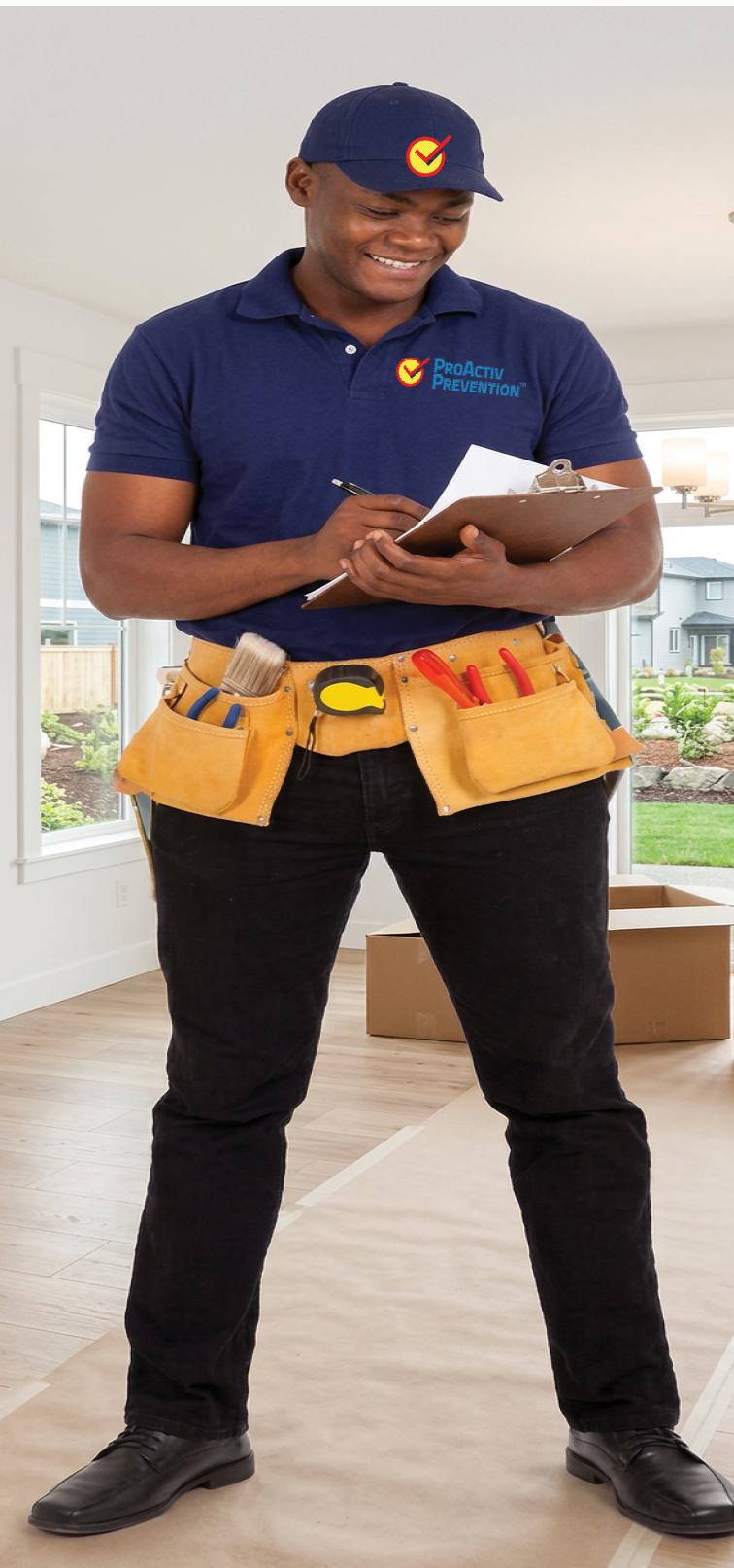
Professional move in or move out handyman services does more than patch a wall or tighten a handle.
It provides a systematic, experienced walkthrough of your property — a comprehensive review designed to catch what homeowners commonly overlook.
Here is what that check typically covers:
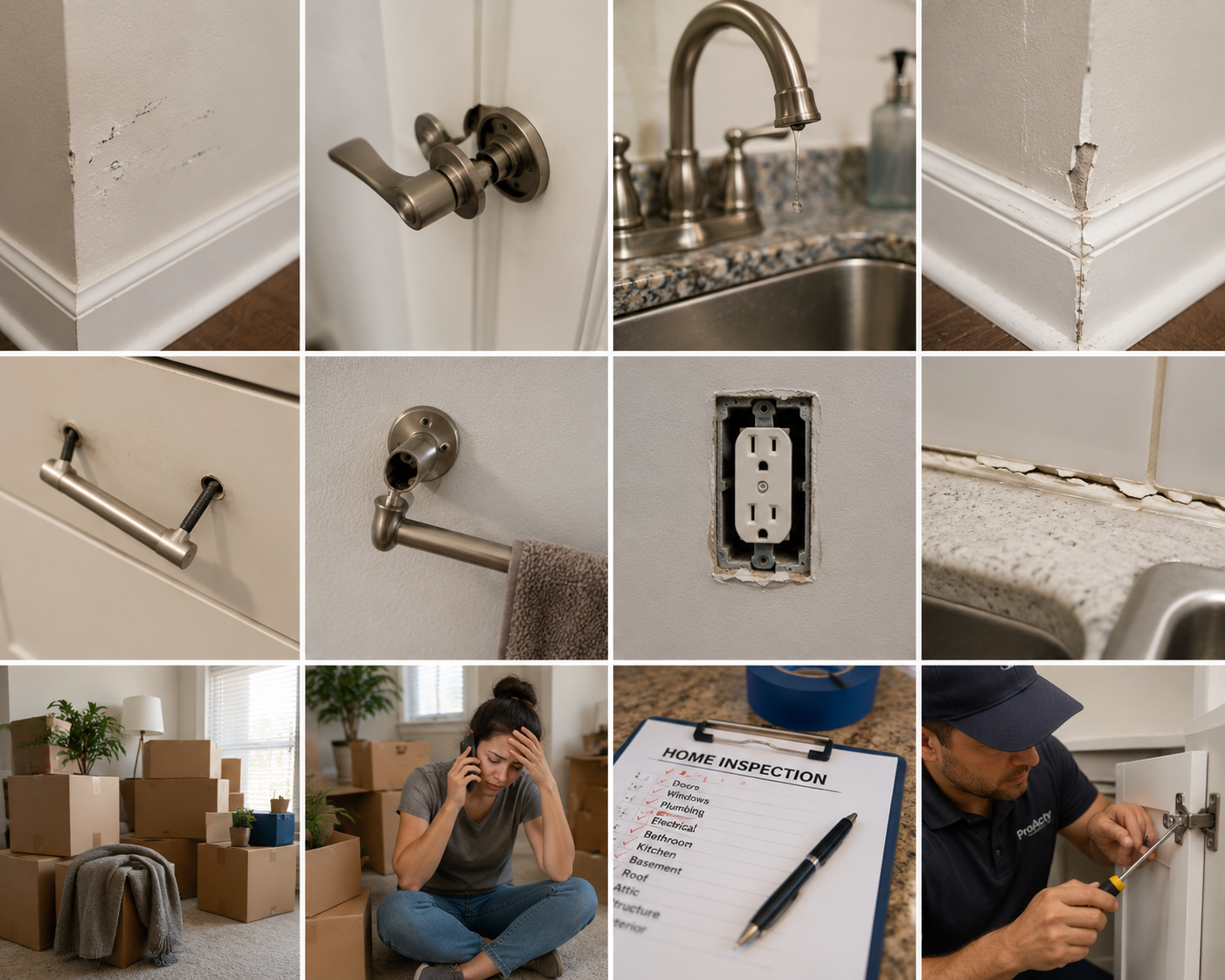
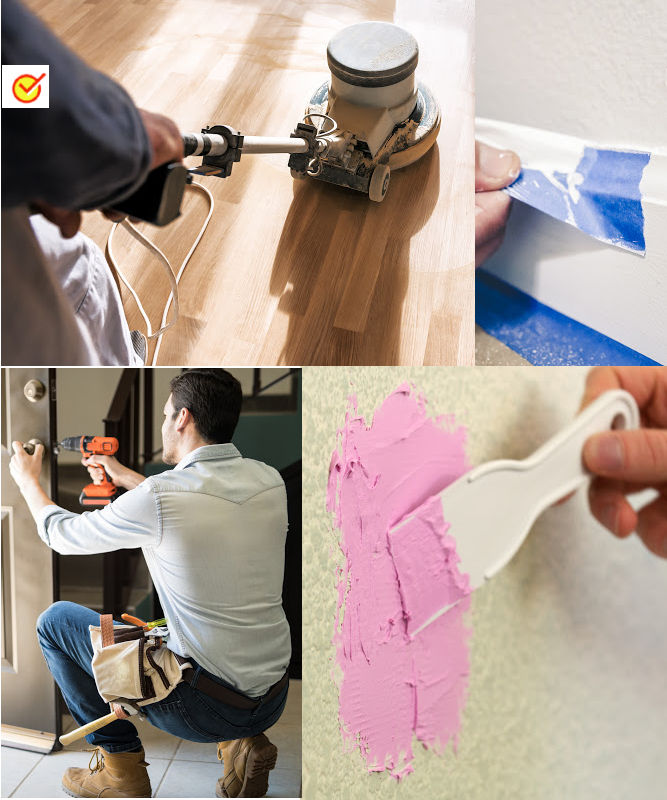
Walls and Surfaces. Nail holes, screw anchors, scuff marks, and paint touch-ups are among the most frequently flagged items during inspections and move-out walkthroughs. They are also among the easiest to address when handled before the deadline. A professional will fill, sand, and touch up surfaces so they are clean and move-in ready.
Doors, Locks, and Hardware. Sticking doors, loose hinges, worn locks, and handles that have worked themselves loose over time are common issues that create a poor impression and can raise questions about overall upkeep.
Plumbing. Leaky faucets, slow drains, and running toilets are frequently missed by homeowners because they become background noise after a while. During an inspection, they are noted immediately. A handyman resolves these before they become a point of negotiation.
Lighting and Electrical. Burnt-out bulbs, flickering fixtures, and non-functioning outlets are straightforward fixes that carry more weight than their size suggests. They signal to buyers and inspectors whether a home has been actively maintained.
Appliances and Kitchen. Stovetops, ovens, refrigerators, dishwashers, and range hoods are reviewed for basic function and cleanliness. Residue buildup or malfunctioning components in the kitchen are common inspection flags.
Floors, Windows, and Blinds. Scratched flooring, broken blinds, and dirty or cracked windows are often forgotten in the final push to move out — and frequently mentioned in inspection reports.
Odors. Lingering pet smells, smoke, or cooking odors are something inspectors and buyers notice immediately. Addressing the source rather than masking it is the professional approach.
The Most Commonly Forgotten Repairs Before Moving Out
Even well-prepared homeowners tend to miss the same items. Knowing what to look for gives you a significant advantage.
The most frequently overlooked repairs include nail holes and wall anchors left from artwork and shelving, paint touch-ups along high-traffic walls, caulking around tubs, showers, and sinks that has cracked or separated, loose cabinet and door handles, damaged window blinds, and minor drywall repairs.
These items are small on their own. Together, they create an impression of a home that has not been carefully maintained — and that impression has real financial consequences.
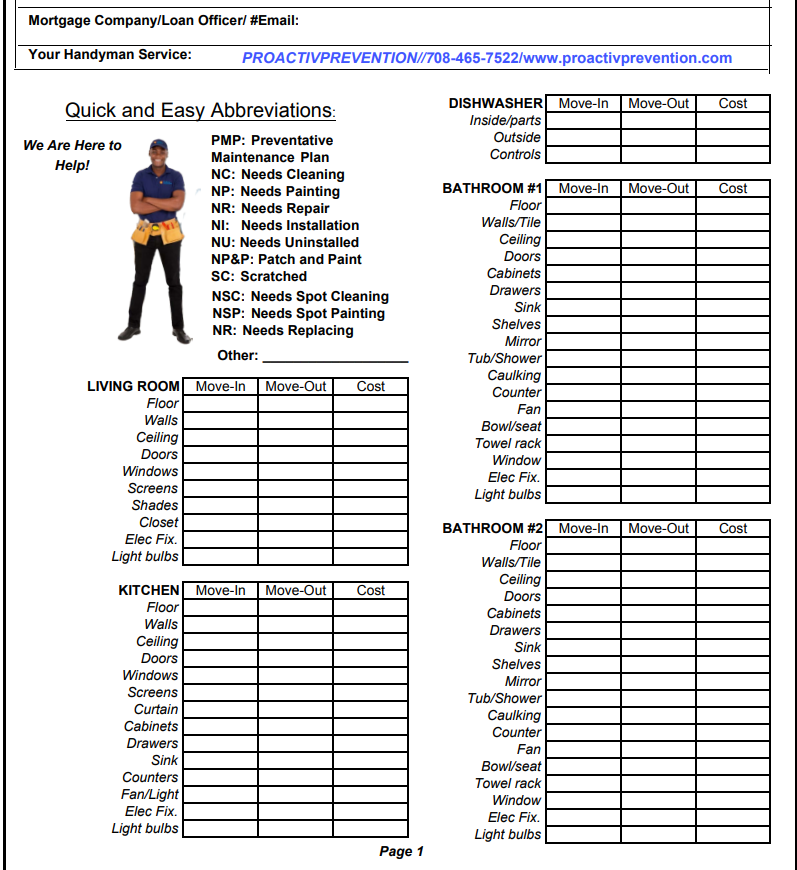
Our Fix It List is designed specifically to make sure none of these items are missed. When a professional handyman completes a thorough walkthrough using a structured checklist, nothing slips through. Every repair is documented, addressed, and completed before your inspection date or move-out deadline.


The Real Cost of Waiting
Here is what the data on moving consistently shows:
Rushed repairs cost more than planned ones.
When repairs are identified after an inspection, homeowners are working against a deadline. That pressure leads to shortcuts, and shortcuts lead to quality issues. A drywall patch completed quickly without proper finishing. Paint touched up without color-matching. A plumbing fix done fast rather than done right. Poor craftsmanship under deadline pressure can introduce new problems that require additional repairs — turning a manageable situation into a compounding one.
A proactive approach removes the pressure entirely. When repairs are completed before your inspection, you move through the process with confidence rather than urgency. Your buyers see a well-maintained home. Your inspector has less to flag. Your closing timeline stays intact.
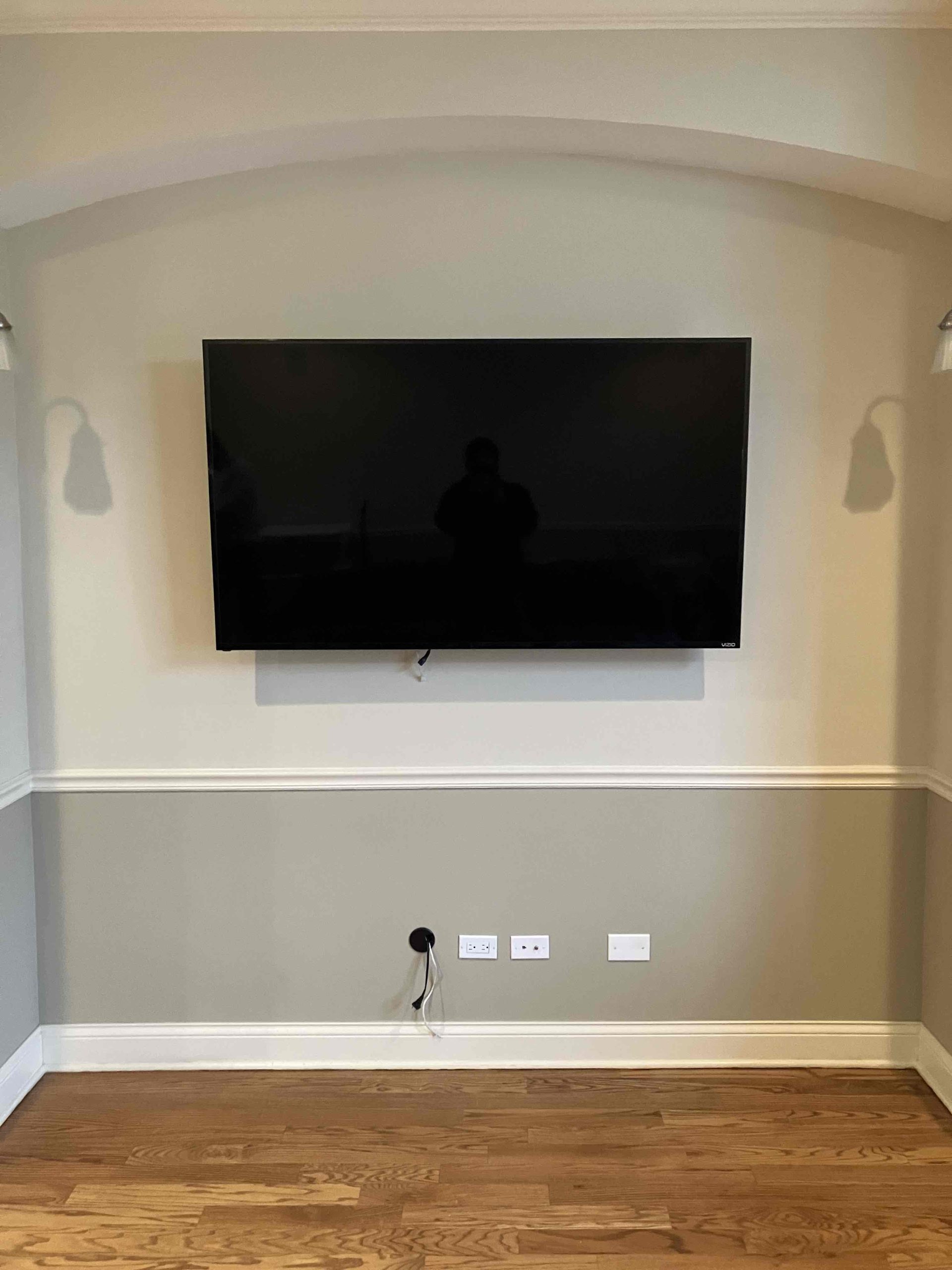
For homeowners moving into a new space, the same logic applies. A professional move-in service ensures your new home is truly ready before you settle in — furniture assembled, fixtures installed, systems checked, and everything functioning the way it should from day one.

What ProActiv Prevention Recommends
Based on what we see consistently across move in and move out services, here is our practical guidance for homeowners.
- Schedule a professional handyman walkthrough before your listing inspection, not after.
- Give yourself enough time to address repairs without rushing.
- Use a structured checklist — not a mental list — to make sure every area of the property is reviewed.
- Address odors, lighting, plumbing, and surface repairs as a standard part of your move-out preparation.
- And when moving in, invest in getting your new space fully set up before you fully settle in, so that your home feels complete from the start.
The goal is simple. You should be able to move out of your old home knowing it is in excellent condition, and move into your new one knowing it is fully ready for you. No scrambling. No unexpected costs. No last-minute surprises.See how one homeowner used a proactive approach to avoid common moving challenges and create a more successful move-in experience.
→ How Reliable Move-In & Move-Out Handyman Services Helped Melanie Finally Feel At Home
The ProActiv Prevention Approach
At ProActiv Prevention, we believe that a well-maintained property is not just about aesthetics — it is about protecting your investment, your timeline, and your peace of mind.
Our move in and move out handyman services are built around one core principle: it is always better to be ProActiv than Reactive. Addressing your property’s needs before problems surface is what allows you to move with confidence rather than stress.
We bring honesty, knowledge, and reliability to every walkthrough. We tell you what needs attention, we explain why it matters, and we handle it efficiently so you can focus on everything else that comes with a major move.

Contact ProActiv Prevention and let us walk through your property together — before the pressure of a deadline sets in.